Just two years after its founding in 2018, SCL was disrupted by the COVID-19 pandemic. This was followed by a major transition, as the group relocated across institutions and national borders. After its move to Germany in 2023, the group undertook a full rebuild of its laboratory infrastructure, completing renovations in the summer of 2025. Since then, SCL has been actively reestablishing its experimental capacity, with all setups and associated software developed in-house. With the core infrastructure in place and experiments underway as of 2026, we are resuming our research program and advancing beyond where we previously left off.
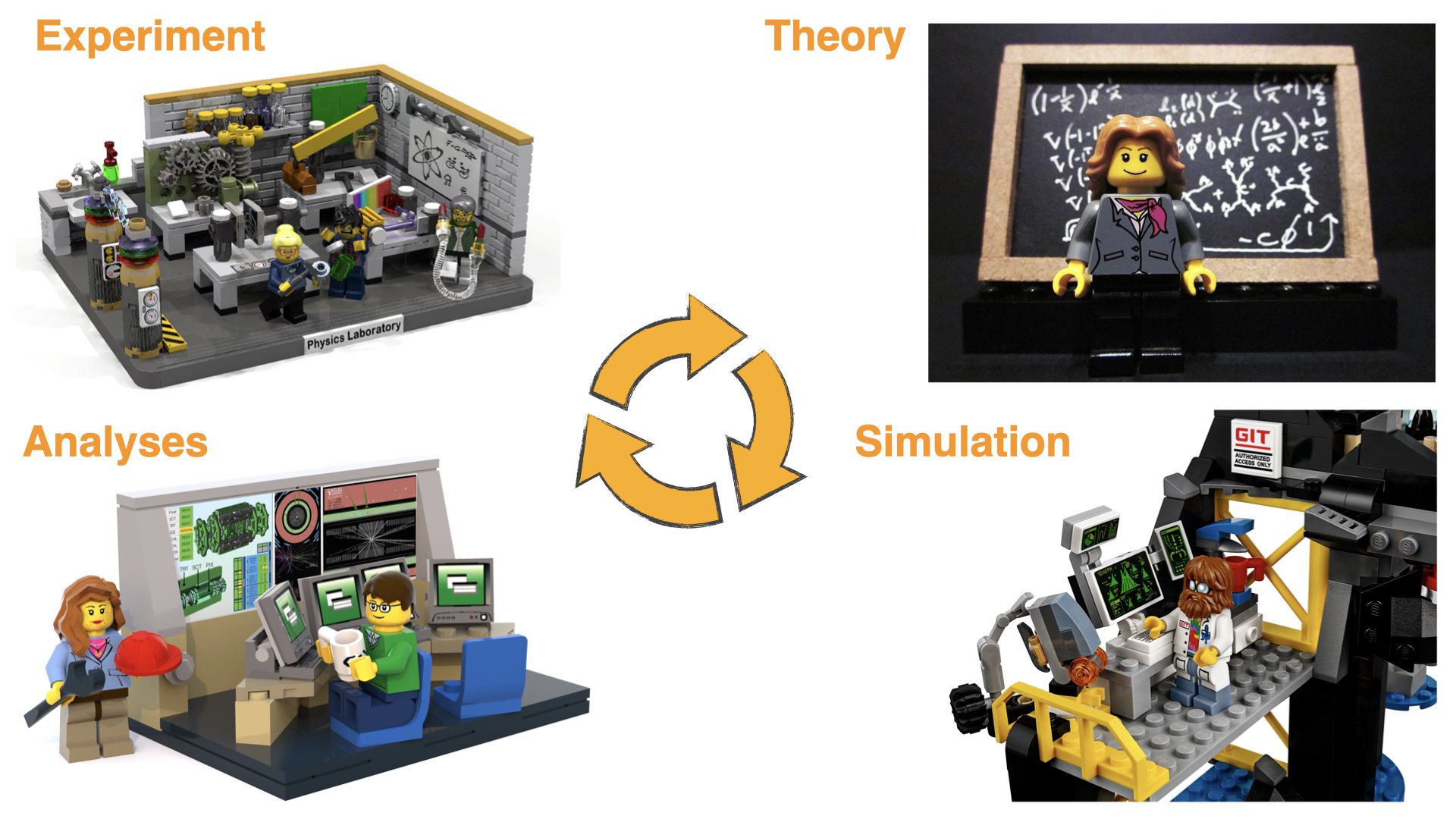
Our lab infrastructure is unique and versatile, featuring custom-built experimental platforms that combine automated advanced microscopy, ultrafast lasers, and multimodal spectroscopy. We leverage an in-house developed, comprehensive computational analysis toolbox to process the complex empirical datasets generated by these systems. Nowadays, we are expanding these capabilities by developing an automated pipeline for real-time, on-the-fly analysis of transient phenomena using adaptive machine-learning frameworks. We further construct analytical, semi-analytical, and data-driven inference models to numerically simulate and theoretically formalise our observations. Ultimately, our methodology operates as a dynamic feedback loop in which we iteratively design experimental setups to validate our theoretical hypotheses, and conversely, build robust theoretical models to explain newly observed physical phenomena.
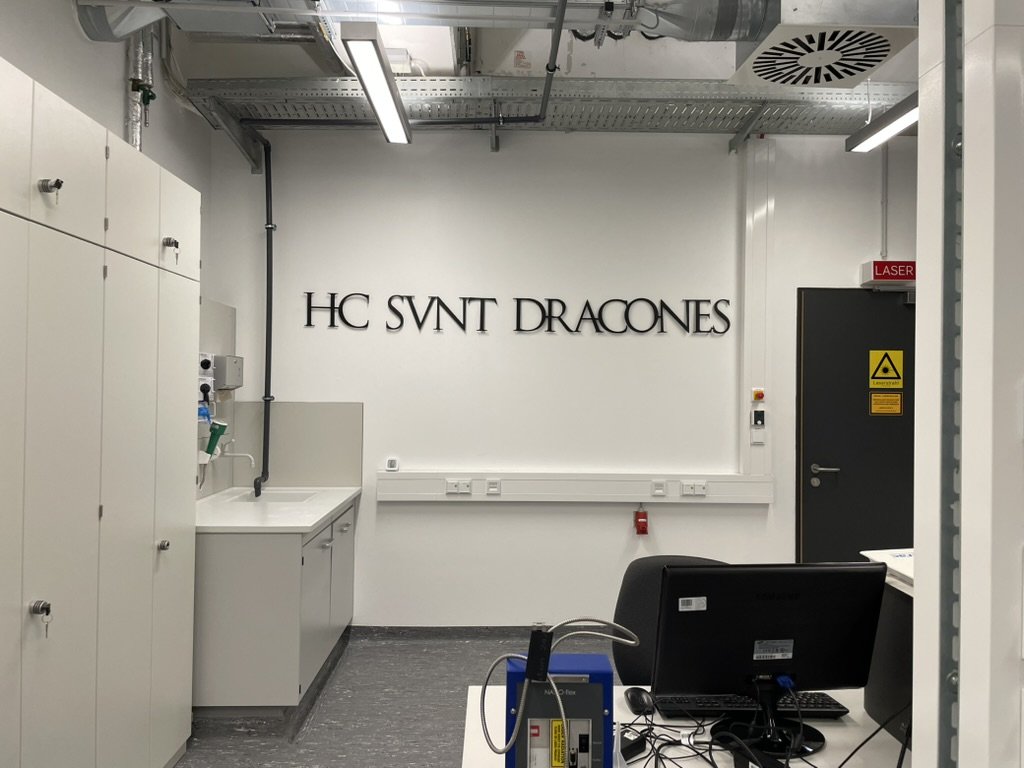
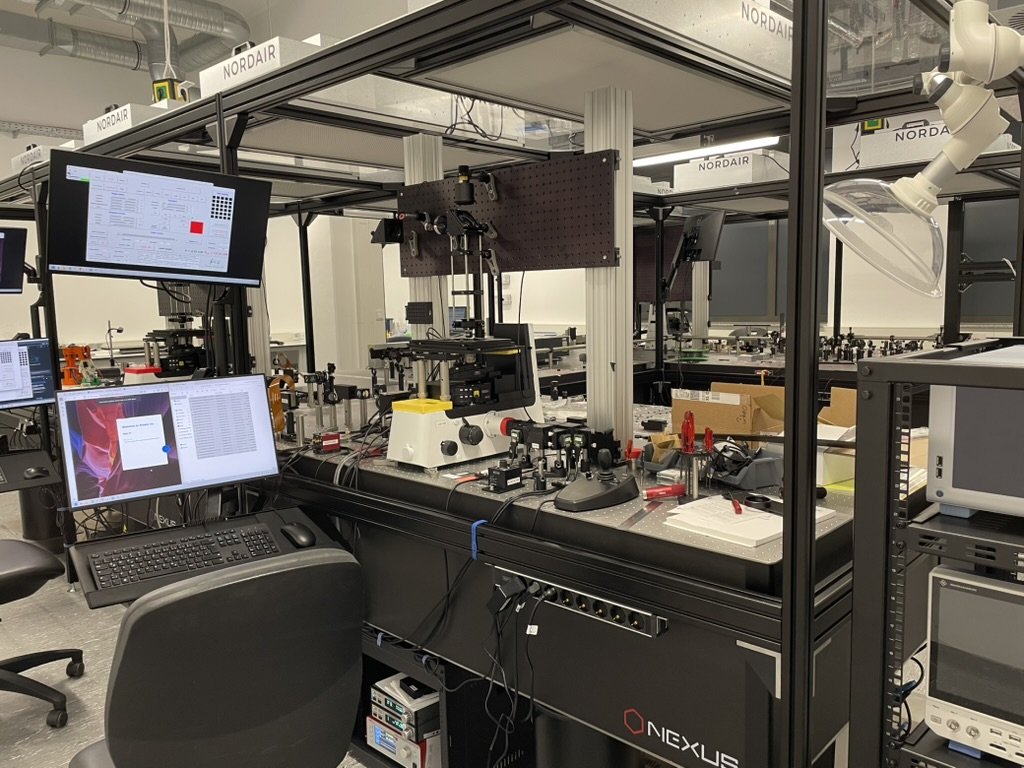
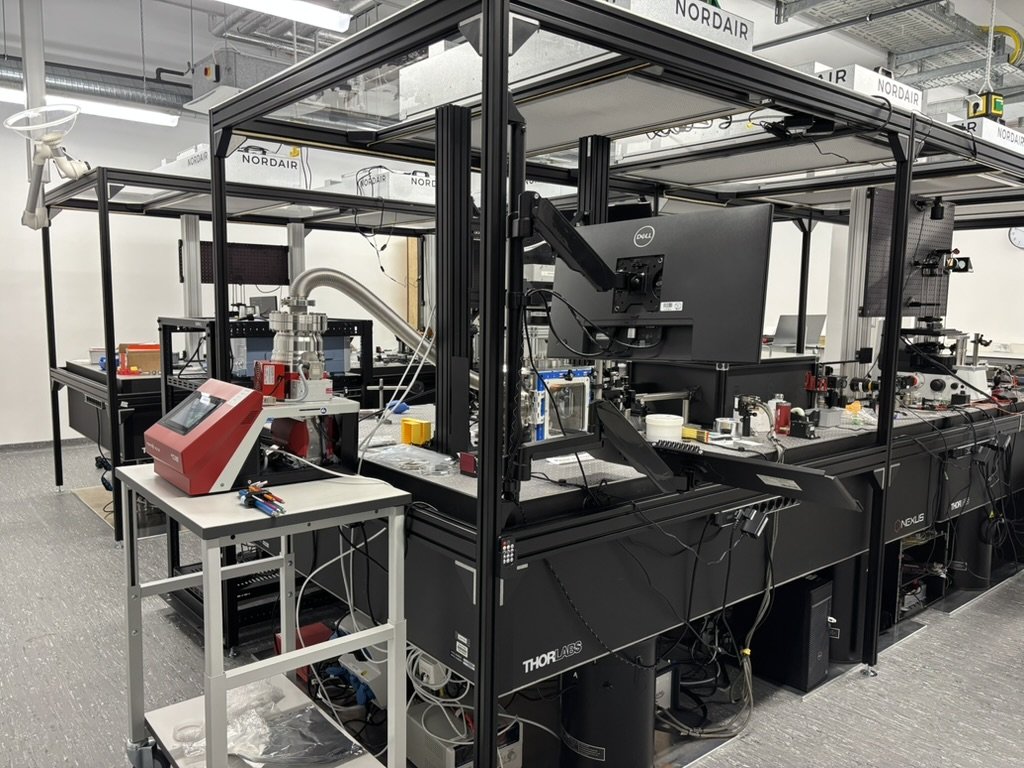
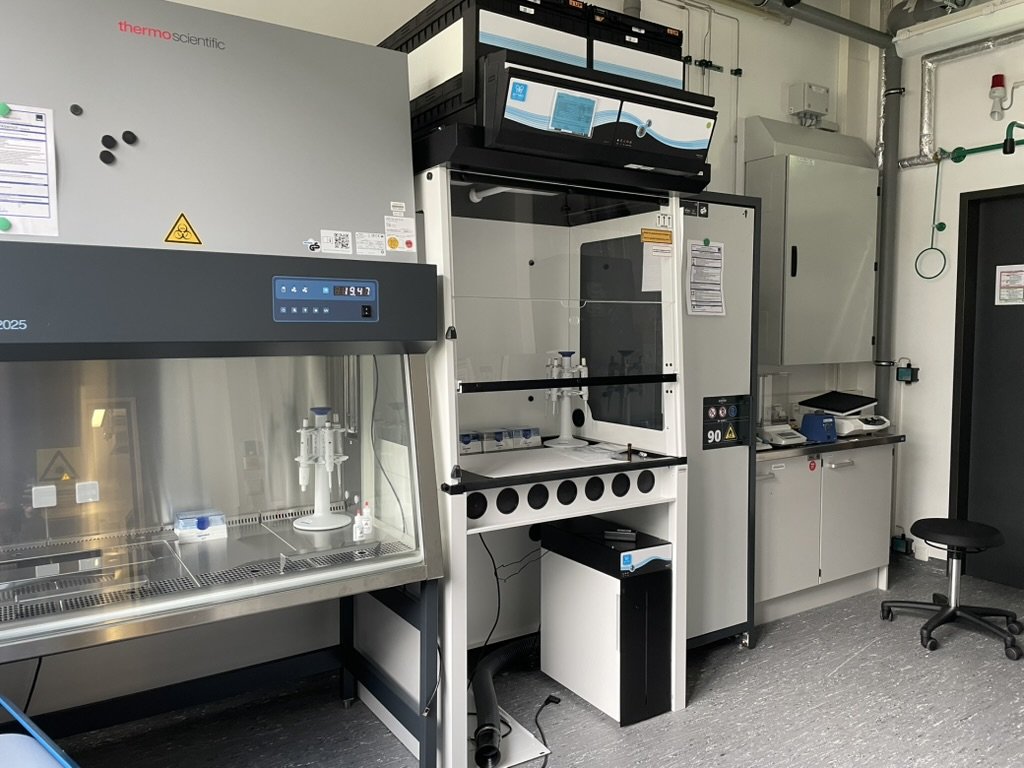
Here are some impressions from laboratory infrastructure:
Here are some impressions from our meeting room: